Formula 1 behind the speed exploring the heart and technology of F1 racing
The high-octane world of Formula 1 racing has long captured the imaginations of car enthusiasts and race fans alike. From the roar of the engines to the intricate ballet of pit stops, F1 is a spectacle of engineering, speed, and strategy. But beyond the tire smoke and champagne podiums, an intriguing critique is emerging: despite offering visual excitement and top-tier competition, the world of F1 may be riding thin when it comes to emotional and storytelling depth.
This article explores the current state of Formula 1 through both a cultural lens and an automotive one, addressing its soaring popularity, technological brilliance, and the compelling—but sometimes hollow—narratives being driven by the sport.
The Pulse of Performance: What Makes F1 So Captivating?
Engineering Mastery on Display
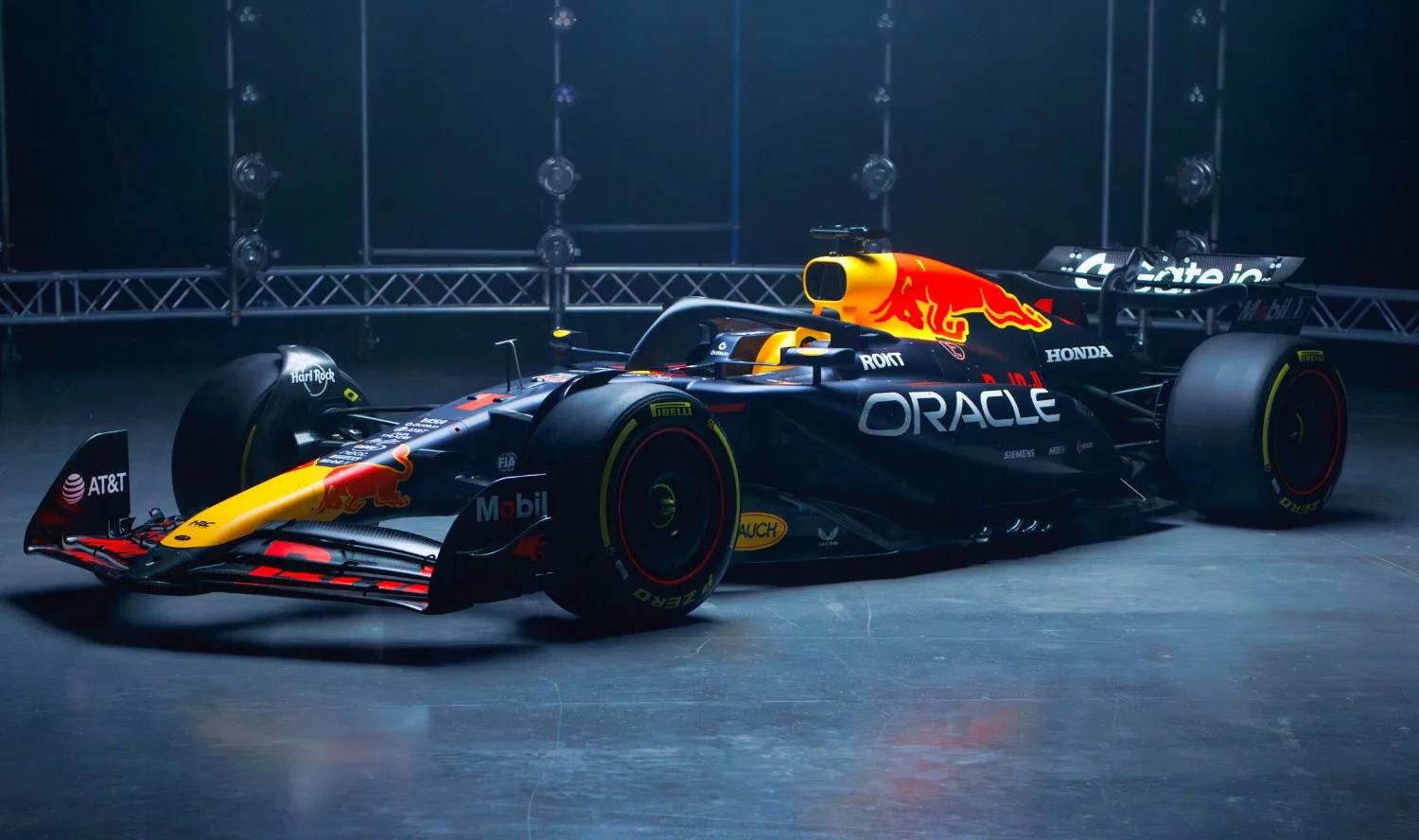
Formula 1 represents the apex of automotive engineering. Every race car is a marvel built with:
- Carbon fiber composite chassis for aerodynamic efficiency and crash resilience
- Hybrid 1.6-liter V6 turbocharged engines that deliver nearly 1000 horsepower
- Energy Recovery Systems (ERS) that reclaim kinetic and heat energy for additional thrust
- Sophisticated telemetry systems transmitting real-time data from over 300 sensors
Each Grand Prix showcases not just driver skill but the invisible battle of algorithms and hardware working in harmony. It’s a sport where milliseconds count and every innovation is a potential game changer.
Global Reach, Local Passion
With an international calendar spanning venues from Monaco to Singapore and Austin to Abu Dhabi, F1 resonates with global fans while igniting passionate fanbases in each locale. For car enthusiasts and dealers alike, it offers:
- Global exposure to automotive technology and branding
- Direct inspiration for production-car innovations
- A proving ground for materials and systems later adapted for consumer vehicles
F1’s glamorous appeal makes it a fertile ground for marketing, sales, and networking within the auto industry.
Beyond the Checkered Flag: The Emotional Disconnect
While F1 captivates with spectacle and technology, critics argue that its storytelling struggles to match the richness of its engineering. A recent cultural review noted that much of the sport’s on-screen representation focuses heavily on the glamor and competition, while sidelining the emotional arcs of its key players.
The Loner Archetype
The review cited the portrayal of characters like Hayes—a disillusioned veteran driver—as emblematic of a broader issue: the sport’s human side often feels underdeveloped. Drivers face enormous psychological strain, extended time away from families, and the omnipresent shadow of danger, yet fans rarely get deeper insights into their vulnerabilities.
These untapped narratives could offer:
- More compelling documentaries and biopics
- Deeper connections between fans and athletes
- A broader audience appeal beyond traditional motorsport fans
By investing in more layered storytelling, both media producers and F1 itself can create a more enduring emotional connection with audiences.
Rivals and Redemption
F1 has seen its share of iconic rivalries—Senna vs. Prost, Hamilton vs. Rosberg—but modern F1 narratives often feel curated and polished. The raw edge of personal struggle is frequently sanitized in favor of sponsor-friendly coverage.
What’s missing is context—why a rivalry matters, how a young driver overcomes team politics, or how underdog technicians bring innovation to life. These are stories that enrich the action, offering more than just stats and standings.
Tech Cost vs. Accessibility: The $500M Question
F1 teams reportedly spend between $200 million and $500 million annually. While this fuels R&D that eventually benefits everyday vehicles, it also raises questions about sustainability and accessibility.
Technology Trickling Down
Despite the enormous spend, many technologies from F1 do flow into consumer markets:
- Composite Materials: Used in cars like the McLaren Artura and Ferrari SF90 for weight reduction and strength
- Turbo Hybrid Tech: Increasingly common in performance and even mainstream hybrid models
- Brake-by-wire: First seen in F1, now appearing in modern electric and hybrid cars
The challenge is balancing high-level innovation with practical trickle-down effects that benefit broader automotive communities, including dealers and end buyers.
Barrier to Entry
Smaller teams struggle to compete with giants like Mercedes-AMG Petronas and Ferrari. The 2021 implementation of a budget cap (approximately $145 million) aimed to level the playing field, but disparities persist in:
- Access to top-tier engineering talent
- Data-driven simulation software
- Testing facilities and wind tunnels
Streamlining these disparities could invigorate the sport with fresh talent and unexpected victories, akin to what fans cherish in motorsport films and docuseries.
The Dealer’s Perspective: Why F1 Still Matters
Automotive dealers may not be directly involved in F1, yet the sport indirectly shapes industry trends and consumer behaviors. Here’s how:
Supercar Aspirations
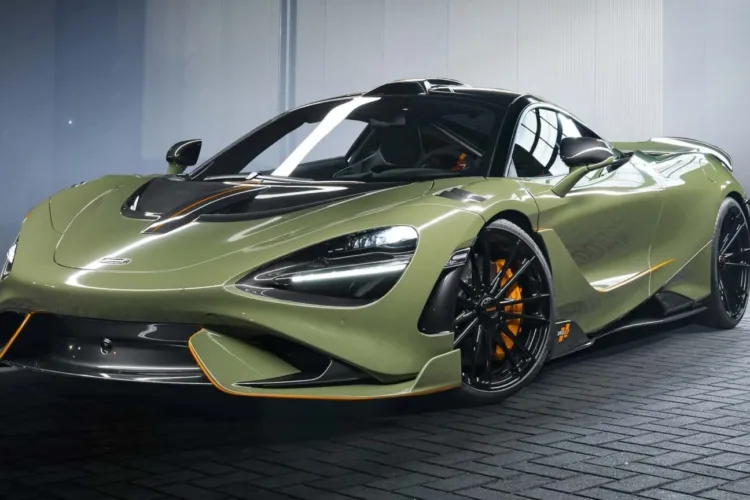
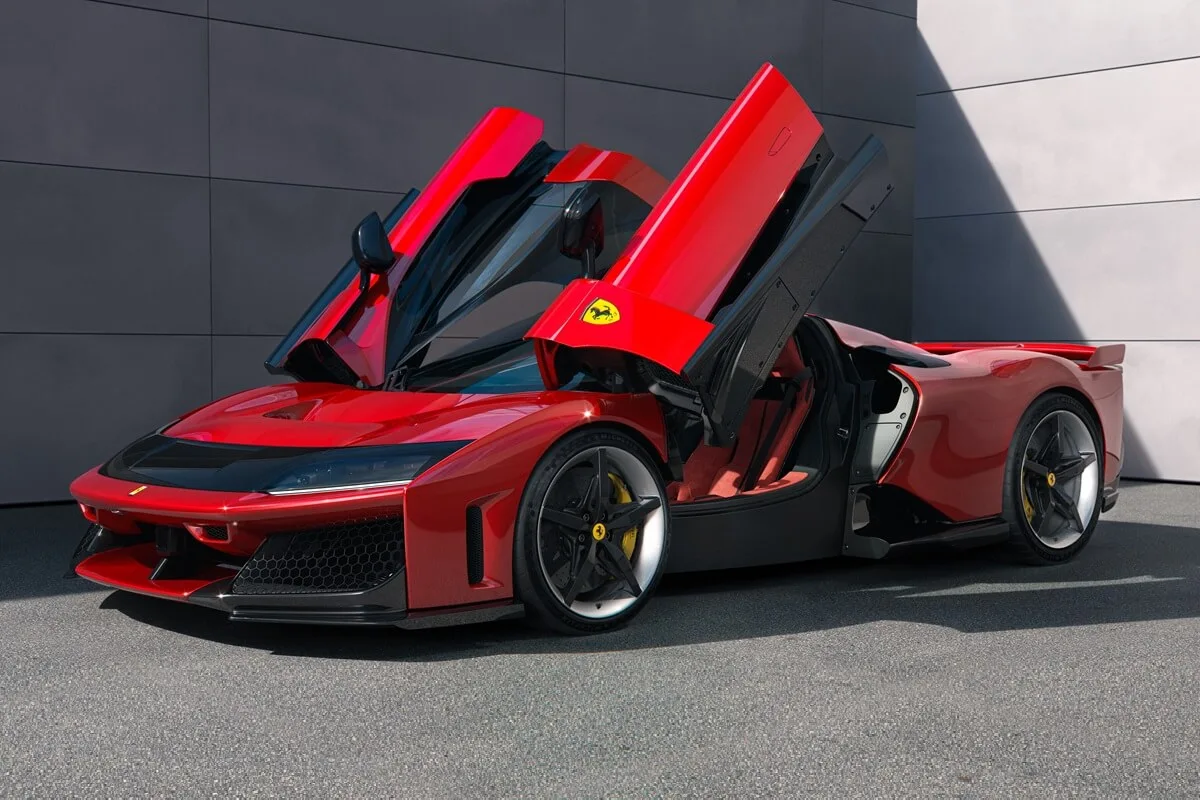
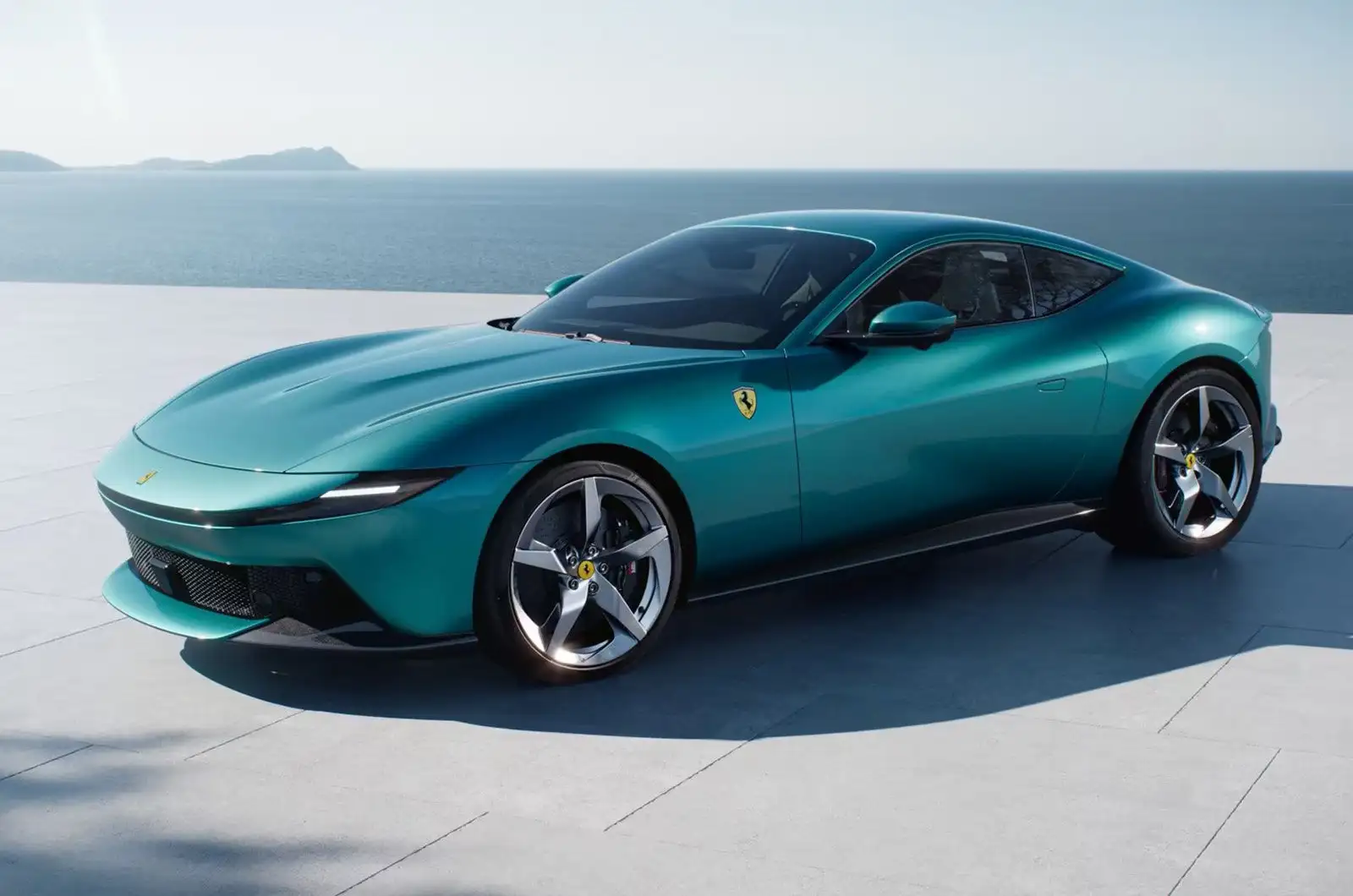
Brands like Ferrari, McLaren, and Aston Martin capitalize on their F1 credibility to sell road cars that embody race pedigree, such as:
- Ferrari 296 GTB: Its hybrid V6 draws inspiration from the Scuderia Ferrari F1 tech tree
- McLaren P1: One of the first hybrid hypercars, influenced by F1 aerodynamics
- AMG One: Mercedes-Benz’s groundbreaking effort to transfer F1 powertrain technology to the street
Buyer Psychology and Luxury Perception
F1’s branding creates an aspirational halo around certain manufacturers. This influences:
- Upmarket positioning of sports or performance models
- Used vehicle valuations based on perceived pedigree
- The aftermarket tuning and modification scene
Auto dealers who understand these dynamics can better position inventory, improve marketing strategy, and increase customer engagement.
Best Practices for F1-Inspired Dealership Strategy
If you’re a dealer aiming to leverage F1’s cachet, consider these strategies:
- Highlight Tech Transfer: Use showroom displays or virtual guides to show how F1 innovations appear in your vehicles.
- Host Grand Prix Watch Events: Build community with fans by integrating motorsport with your dealership programming.
- Partner with Local Builders: Collaborate with tuning or performance experts to create F1-styled custom builds on your lot.
- Utilize Storytelling: Make vehicle descriptions more engaging by referencing performance features with proven roots in F1 racing.
The Streaming Revolution: A New Lap in F1 Coverage
Series like Drive to Survive have broadened F1’s fanbase by humanizing its athletes and emphasizing backstage drama. These documentaries attract a cross-section of viewers who might never attend a race in person but feel connected through:
- Behind-the-scenes team dynamics
- Personal rivalries turning into gripping arcs
- Emotional interviews and pivotal career moments
This style of coverage carries huge potential for revamping fan interaction across the automotive world—from races to car shows to dealership content marketing.
Conclusion: Speed Isn’t Everything – Substance Matters Too
Formula 1 continues to top the leaderboard in innovation and visual excitement. For car enthusiasts, it’s a celebration of everything thrilling about automobiles. For dealers, it’s a marketing goldmine and a lesson in how innovation sells.
But as the sport charges ahead, a deeper focus on story—of drivers, engineers, and underdog teams—could elevate its appeal to new heights. As we move deeper into the age of electrification, autonomy, and sustainable racing, the soul of motorsport will hinge not just on specs and speed, but on the stories that bind us to the machines.
Want to sell, buy, or export your car? ENON Cars is simple and perfect for you! Join now and get three free ads as a new user. Post your ads easily and find buyers or sellers fast!
#F1Technology #MotorsportInnovation #AutoDealersNetwork #PerformanceCars #CarEnthusiastsGuide