Mitsuoka Orochi Review 2025 – The Most Unique Japanese Supercar Ever
Mitsuoka Orochi Review 2025 – The Most Unique Japanese Supercar Ever
-
Introduction
-
The Origin of Mitsuoka Orochi
-
Mitsuoka Orochi Design and Styling
-
Mitsuoka Orochi Performance and Specs
-
Special Editions and Limited Production
-
Why the Mitsuoka Orochi Deserves Attention
-
Buying Tips and Ownership Experience
-
Conclusion
1. Introduction
The Mitsuoka Orochi is one of the most unusual and talked-about Japanese cars ever built. Produced between 2006 and 2014 by Mitsuoka Motors, it’s a hand-crafted sports car that looks like it came straight out of an anime movie. With its curvy, almost creature-like body and wild proportions, the Orochi has earned both praise and controversy. Whether you love it or hate it, one thing is certain — you’ll never forget it.
2. The Origin of Mitsuoka Orochi
The Mitsuoka Orochi name comes from Yamata no Orochi, a mythical eight-headed dragon from Japanese folklore. The concept was simple but daring — to create a “fashion supercar.” It wasn’t meant to compete with Ferraris or Lamborghinis on performance, but rather to express beauty, individuality, and art through design.
Mitsuoka, known for its quirky retro-inspired cars, wanted to prove that Japan could build something emotionally powerful and visually unforgettable. The first prototype appeared in 2001, with production beginning five years later.
3. Mitsuoka Orochi Design and Styling
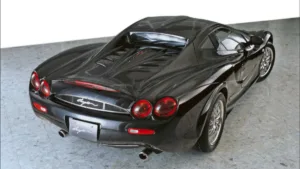
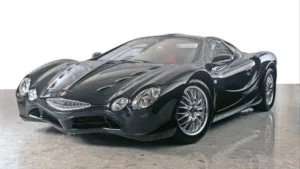
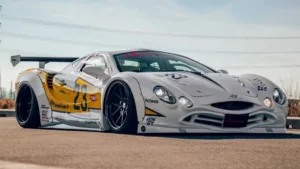
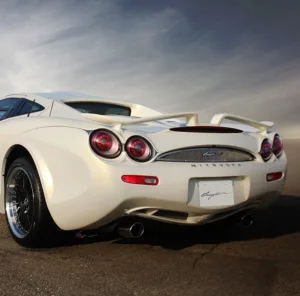
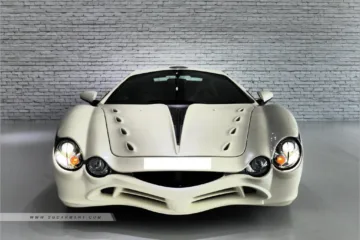
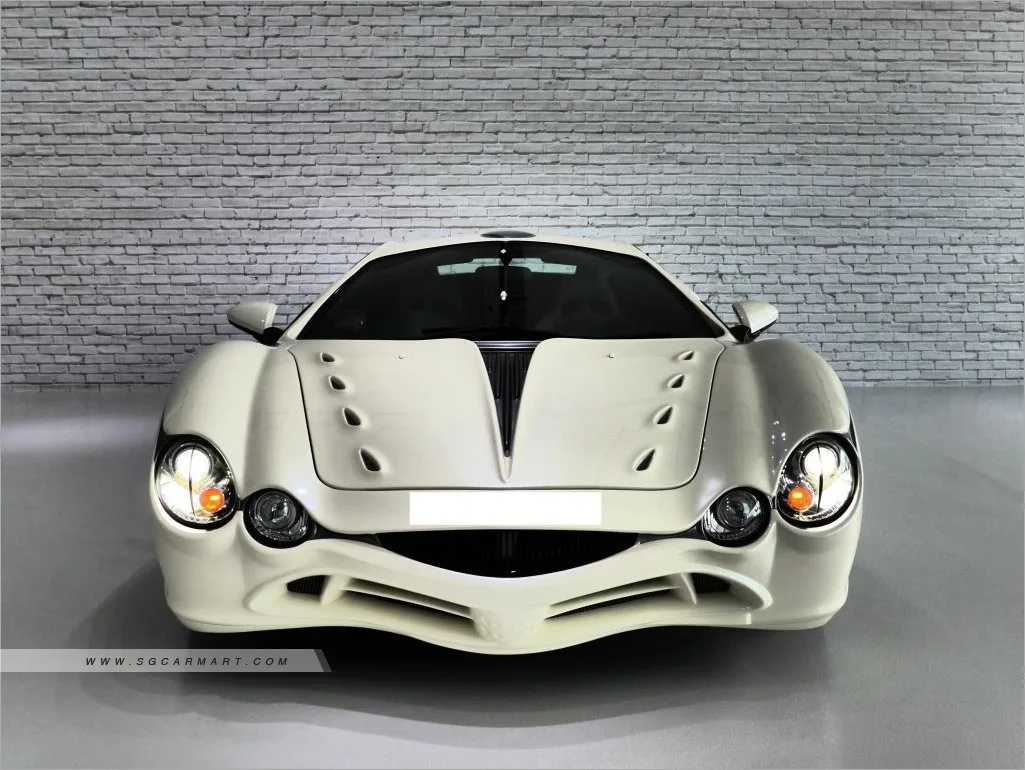
When you first see the Mitsuoka Orochi, it instantly grabs your attention. Its wide front end with flowing lines and multiple vents looks like something alive. The headlights resemble eyes, the curves mimic muscles, and the overall silhouette screams “alien elegance.”
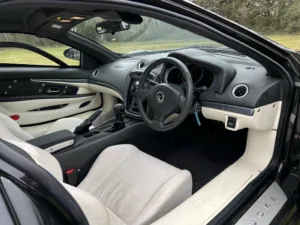
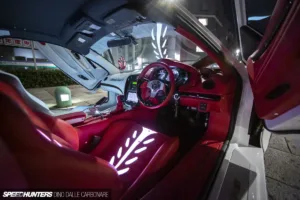
The body is made from reinforced plastic panels over a steel frame, giving it a mix of strength and lightness. Inside, the Orochi keeps things more conventional — leather seats, digital gauges, and a comfortable, almost luxurious cabin.
Design critics often split into two camps: some call it one of the most original designs in modern history, others think it’s bizarre. But even those who dislike it admit — the Orochi looks like nothing else on the road.
4. Mitsuoka Orochi Performance and Specs
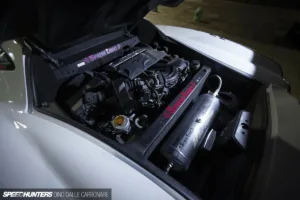
Under the dramatic shell, the Mitsuoka Orochi uses reliable and proven Toyota components. It’s powered by a 3.3-liter V6 engine (Toyota 3MZ-FE), producing around 233 horsepower and 328 Nm of torque. Power goes to the rear wheels through a 5-speed automatic gearbox.
-
Engine: 3.3 L V6 (3MZ-FE)
-
Power: 233 hp (173 kW)
-
Torque: 328 Nm (242 lb-ft)
-
Transmission: 5-speed automatic
-
0–100 km/h: ≈ 6.5 seconds
-
Top Speed: 240 km/h
-
Weight: ≈ 1,580 kg
Performance isn’t breathtaking by supercar standards, but the driving experience focuses more on style and comfort. The suspension is tuned for smooth road behavior, not track racing. In other words, the Orochi is a grand-touring exotic, not a time-attack machine.
5. Special Editions and Limited Production
Mitsuoka produced only about 400 Orochis in total, making it extremely rare. Several limited versions appeared during its production run:
-
Orochi Kabuto: featured a carbon-fiber body kit and special wheels.
-
Orochi Gold Premium (2010): added luxury touches and exclusive gold paint.
-
Orochi Final Edition (2014): just five units built to mark the end of production.
-
Evangelion Edition: inspired by the famous anime Neon Genesis Evangelion, with purple and green paint matching the mecha’s colors.
Each special edition increased the Orochi’s collector value and cemented its status as a cult classic among JDM fans.
6. Why the Mitsuoka Orochi Deserves Attention
-
Unmatched Rarity — with only a few hundred units ever made, it’s a true collector’s gem.
-
Bold Design — the Orochi dares to be different, standing out in a world of look-alike sports cars.
-
Japanese Craftsmanship — hand-built quality and attention to detail reflect Mitsuoka’s artisan approach.
-
Cultural Significance — from its mythical name to its anime tie-ins, the Orochi embodies Japanese creativity.
-
Investment Potential — as production numbers were so low, its value is slowly climbing in the collector market.
7. Buying Tips and Ownership Experience
Before buying a used Mitsuoka Orochi, consider these points:
-
Parts availability is limited, as many components were custom made. However, the Toyota engine is easy to maintain.
-
Check body panels carefully — since each car was hand-assembled, fit and finish may vary.
-
Don’t expect supercar speed — the Orochi is more about presence than performance.
-
Insurance and registration can be tricky outside Japan, so consult local specialists.
Despite these challenges, owners often describe it as a joy to drive and a conversation starter everywhere they go.
8. Conclusion
The Mitsuoka Orochi isn’t the fastest, nor the most powerful — but it’s undoubtedly one of the most memorable. It represents freedom of design and the courage to be different. In an industry obsessed with numbers and lap times, the Orochi reminds us that cars can still be emotional and artistic.
If you’re searching for a supercar that expresses individuality rather than just speed, the Mitsuoka Orochi is a rare and beautiful choice. It’s a rolling piece of Japanese art — and that alone makes it legendary.